
The Benefits of Organic Food - by Joe Thomas
-
in Blogs
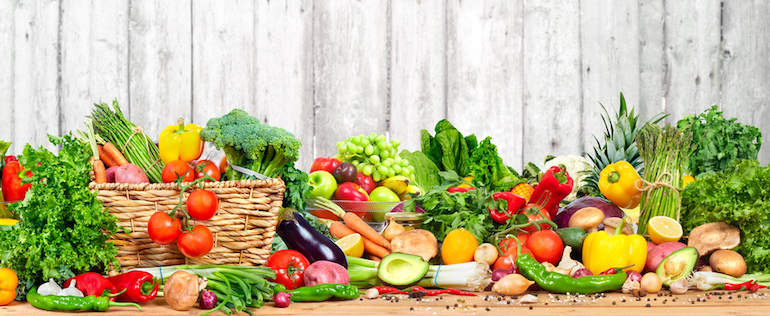
Surprisingly, currently where information is widely available, a lot of the population is still confused about organic food and its superiority to commercial sourced food. Organic food, be it plant or animal based, is anything that conforms to organic farming standards. These vary worldwide of course, but in the United Kingdom they are set by organisation such as the Soil Association. A study conducted by this association shows that half of the people buying organic food do it for the health benefits and lack of chemical residues, while others do it to protect the environment and support animal welfare.
Apart from all the potential health benefits and nutritional value, the first thing that springs to mind when talking about locally grown organic fruit and vegetables is flavour. Nothing tastes quite like strawberries bought at a Farmer’s market in early summer or like apples delivered straight from an orchard in autumn. When grown organically, fruit and vegetables are only available at certain times of the year due to their natural cycle. Eating seasonably ensures you get the most natural nutrient packed food that hasn’t required excess energy to grow (which also happens to significantly improve the carbon footprint). The reason that organic food tastes better might be down to lower crop yields and higher levels of antioxidants: there is more nitrogen available in the soil for fewer fruit and vegetables, resulting in crops densely packed with flavour and nutrients.
You are also taking part in preserving the wildlife around you. Because of restricted use of synthetic herbicides and pesticides, organic farms become safe havens for a variety of local species. Organic farmers go that extra mile in helping to preserve the natural habitats by maintaining hedgerows, planting flowers and managing grasslands and ponds. By supporting these fragile ecosystems, they are ensuring that important species of bees, butterflies, birds and small animals are not driven to extinction.
Organic food is sustainably farmed. This means that resources are recycled to minimize waste. This is becoming increasingly important in a world where finite resources are disappearing by the minute. There are a lot of problems associated with large scale industrial farming, such as soil erosion, chemicals leaking into biosystems and the over-use of synthetic fertilizers and pesticides. Organic farmers avoid all these issues by using natural fertilizers (like manure produced by farm animals) and choosing crop varieties with natural resistance to particular pests and diseases. They also rotate crops to keep soil full of nutrients. Despite popular belief, soil is a non-renewable resource and preserving it for future generations is of paramount importance.
There are other less obvious factors to consider when buying food. The amount of time required for your dinner to arrive on your table is often measured in “farm-to-fork” hours or food miles. A lot of fruit and vegetables, especially out of season, are imported from other countries. However, the transportation that this produce requires, is what contributes to the carbon footprint. From a UK perspective, think of all the mile’s that bananas travel from African countries and places like the Dominican Republic, and the emissions that cargo vehicles produce. From a South African perspective, even though bananas are grown within the country, they are a spring and summer fruit, but appear in supermarkets year round. So, in order to purchase certain fruit and vegetables off-season, we will need to compromise on the food miles concept. In cases like these, at the very least look out for the Organic certification on the packaging. Not only will this food be more nutritious and flavoursome, but it would help the economy and environment in other countries. We are all in this together after all!
Further reading:
Joe Thomas is a writer from the UK, who creates articles on a range of subjects, including health and nutrition, sustainability and environmental issues. He believes that living a healthy lifestyle will ensure a good platform for a happier life. This will help provide a better environment for us all, and help keep us more free of disease. Raising awareness on such issues is important for progression - education is key. Contact: joe@allgreenpr.com